






ODYSSEY
Filters

12 proizvodi
Obriši sve
%
15%
CLASSICS
2.244,00 RSD
2.640,00 RSD
0,00 RSD
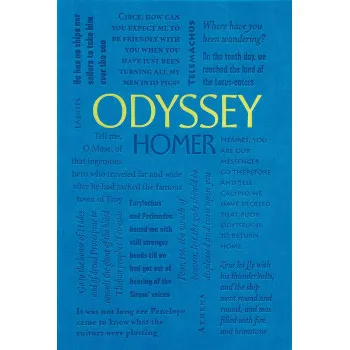
The Odyssey follows the Greek hero Odysseus on a ten-year journey back to his home in Ithaca after fighting in the Trojan War. The challenges he encounters along the way, both natural and supernatural, continually test his character and endurance. Run-ins with Cyclops, Medusa, and the Sirens are only a few of the obstacles he must overcome to see his wife and son once again.
%
15%
CLASSICS
1.309,00 RSD
1.540,00 RSD
0,00 RSD
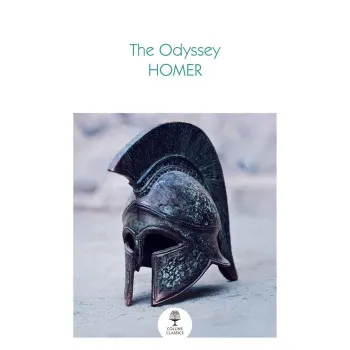
One of the most enduring tales ever told, The Odyssey is the original homecoming story. After the fall of Troy, victorious war-hero Odysseus sets off on his long return to Ithaca – an adventure which takes him through strange and foreign lands.
%
15%
CLASSICS
1.614,15 RSD
1.899,00 RSD
0,00 RSD
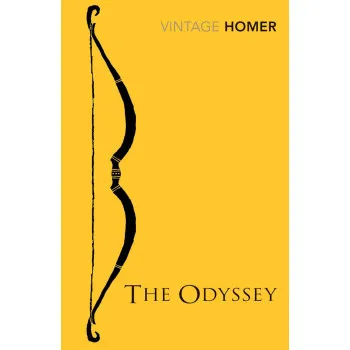
The epic tale of Odysseus and his ten-year journey home after the Trojan War forms one of the earliest and greatest works of Western literature. Confronted by natural and supernatural threats - ship-wrecks, battles, monsters and the implacable enmity of the sea-god Poseidon - Odysseus must use his bravery and cunning to reach his homeland and overcome the obstacles that, even there, await him.
%
15%
CLASSICS
1.529,15 RSD
1.799,00 RSD
0,00 RSD
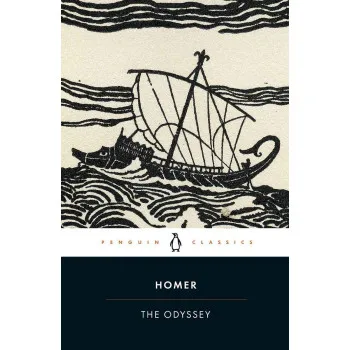
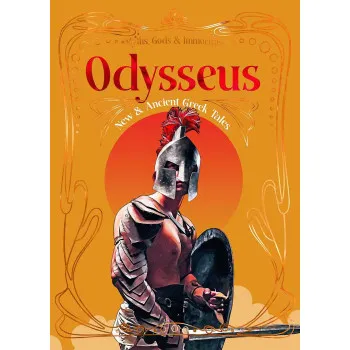
The epic tale of Odysseus and his ten-year journey home after the Trojan War forms one of the earliest and greatest works of Western literature. Confronted by natural and supernatural threats - ship-wrecks, battles, monsters and the implacable enmity of the sea-god Poseidon - Odysseus must use his bravery and cunning to reach his homeland and overcome the obstacles that, even there, await him.
%
15%
CLASSICS
2.719,15 RSD
3.199,00 RSD
0,00 RSD
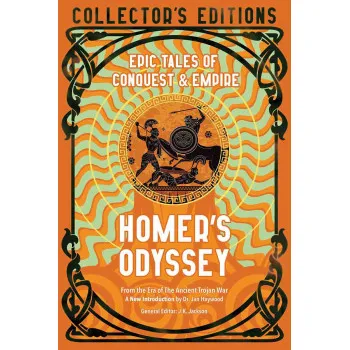
Odysseus is the cunning wanderer from the fall of Troy, breaker of oaths and teller of tales. His story is immortalised in Homer's Odyssey and will endure as long as humanity, forever capturing the imagination, not least because of the entities he meets along the way: the savage Cyclops Polyphemus, the enticing Sirens, and fearsome Scylla and Charybdis.
%
15%
CLASSICS
1.614,15 RSD
1.899,00 RSD
0,00 RSD
The Odyssey covers the events after the Trojan War as Odysseus travels home, encountering many strange monsters and creatures along the way. Featuring numerous figures of ancient Greek mythology, Homer's epic poem is one of the world's oldest surviving literary works and preserves various aspects of ancient Greek beliefs and culture for the modern reader. From fearsome giants to a cunning sorceress, Odysseus must confront peril after peril, all the while wondering if the path of his fate ever leads homeward, and if his wife Penelope and son Telemachus remain safe.
Writen as stories, not an epic poem
Writen as stories, not an epic poem
%
15%
CLASSICS
2.124,15 RSD
2.499,00 RSD
0,00 RSD
The Odyssey follows the Greek hero Odysseus on a ten-year journey back to his home in Ithaca after fighting in the Trojan War. The challenges he encounters along the way, both natural and supernatural, continually test his character and endurance. Run-ins with Cyclops, Medusa, and the Sirens are only a few of the obstacles he must overcome to see his wife and son once again.
%
15%
CLASSICS
2.889,15 RSD
3.399,00 RSD
0,00 RSD
The Iliad tells the story of the Trojan War of the Ancient Greeks, focusing on the struggles of Achilles. The Odyssey covers the events after the war as Odysseus travels home, encountering many strange monsters and creatures along the way.
%
15%
CONTEMPORARY FICTION
1.614,15 RSD
1.899,00 RSD
0,00 RSD
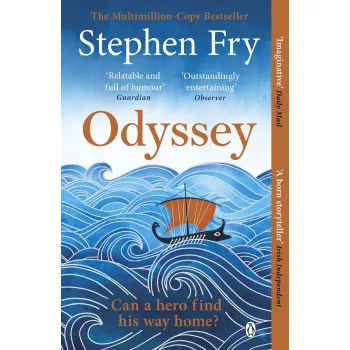
After the fall of Troy, wily Odysseus, King of Ithaca, sails for home and his steadfast queen Penelope.
However, the angry gods curse him to wander the seas for ten long years. Tormented by giants and monsters, tempted by witches and goddesses, Odysseus battles to draw ever closer to home.
Awaiting him is Penelope, defying reports of his death. But this queen endures her own tormentors – an army of young suitors eager to claim her hand and the throne . . .
However, the angry gods curse him to wander the seas for ten long years. Tormented by giants and monsters, tempted by witches and goddesses, Odysseus battles to draw ever closer to home.
Awaiting him is Penelope, defying reports of his death. But this queen endures her own tormentors – an army of young suitors eager to claim her hand and the throne . . .

%
15%
CLASSICS
509,15 RSD
599,01 RSD
0,00 RSD
On his travels, Odysseus comes across surreal islands and foreign lands where he is in turn challenged and supported by those that he meets on his travels as he attempts to find his way back home in order to vanquish those who threaten his estate. In turn, his son Telemachus has to grow up quickly as he attempts to find his father and protect his mother from her suitors.

%
15%
CLASSICS
841,50 RSD
990,00 RSD
0,00 RSD
Hector bidding farewell to his wife and baby son, Odysseus bound to the mast listening to the Sirens, Penelope at the loom, Achilles dragging Hector's body round the walls of Troy - scenes from Homer have been reportrayed in every generation. The questions about mortality and identity that Homer's heroes ask, the bonds of love, respect and fellowship that motivate them, have gripped audiences for three millennia.
Chapman's Iliad and Odyssey are great English epic poems, but they are also two of the liveliest and readable translations of Homer. Chapman's freshness makes the everyday world of nature and the craftsman as vivid as the battlefield and Mount Olympus. His poetry is driven by the excitement of the Renaissance discovery of classical civilisation as at once vital and distant, and is enriched by the perspectives of humanist thought.
Chapman's Iliad and Odyssey are great English epic poems, but they are also two of the liveliest and readable translations of Homer. Chapman's freshness makes the everyday world of nature and the craftsman as vivid as the battlefield and Mount Olympus. His poetry is driven by the excitement of the Renaissance discovery of classical civilisation as at once vital and distant, and is enriched by the perspectives of humanist thought.
%
15%
CLASSICS
679,15 RSD
799,00 RSD
0,00 RSD
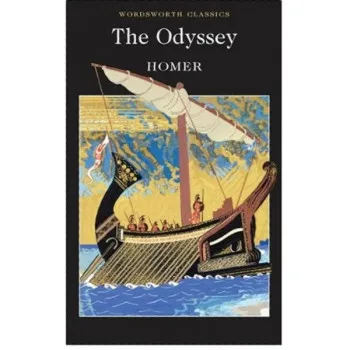
This book comes with an introduction and notes by Adam Roberts Royal Holloway, University of London. Homer's great epic describes the many adventures of Odysseus, Greek warrior, as he strives over many years to return to his home island of Ithaca after the Trojan War. His colourful adventures, his endurance, his love for his wife and son have the same power to move and inspire readers today as they did in Archaic Greece, 2800 years ago.