





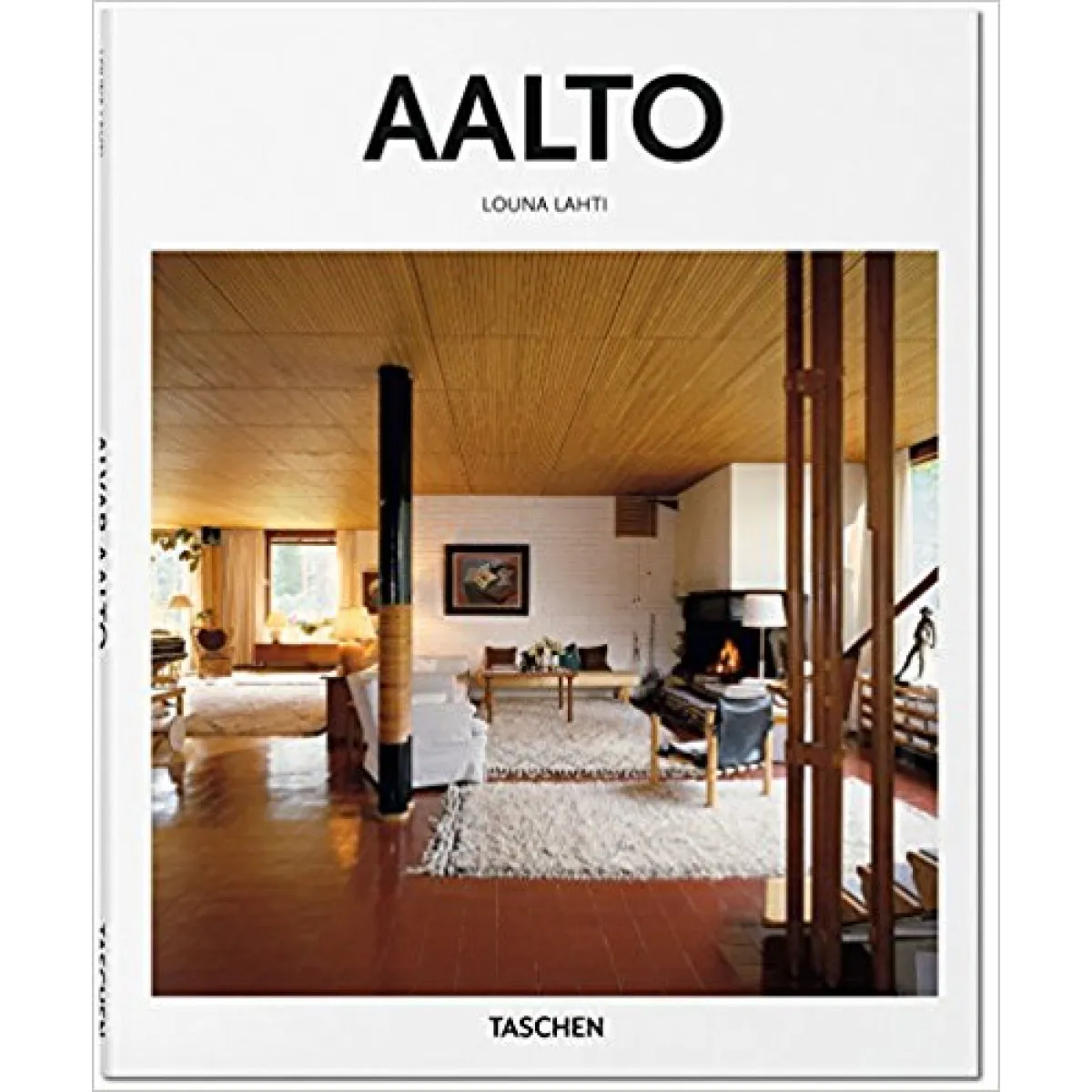
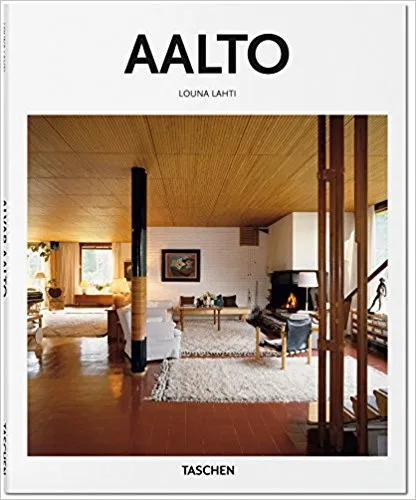
AALTO
TASCHEN
Potrebna vam je pomoć?
Budite slobodni da nas kontaktirate
Šifra artikla: 312468
ISBN: 9783836560108
Alvar Aalto (1898 1976) made a unique modernist mark. Influenced by both the landscape and the political independence of his native Finland, he designed warm, curving, compassionate buildings, wholly set apart from the slick, mechanistic, geometric designs that characterized much contemporary European practice.
Whether a church, a villa, a sauna, or a public library, Aalto s organic structures tended to replace plaster and steel with brick and wood, often incorporating undulating, wave-like forms, which would also appear in his chair, glassware, and lamp designs.
An adherent to detail, Aalto insisted upon the humanity and societal role of architecture, stating: Modern architecture does not mean using immature new materials; the main thing is to work with materials towards a more human line. Many of his public buildings such as Säynätsalo Town Hall, the lecture theatre at Otaniemi Technical University, the Helsinki National Pensions Institute and the Helsinki House of Culture may be seen as psychological as well as physical landmarks in the rebuilding of Finland after the ravages of war.
Whether a church, a villa, a sauna, or a public library, Aalto s organic structures tended to replace plaster and steel with brick and wood, often incorporating undulating, wave-like forms, which would also appear in his chair, glassware, and lamp designs.
An adherent to detail, Aalto insisted upon the humanity and societal role of architecture, stating: Modern architecture does not mean using immature new materials; the main thing is to work with materials towards a more human line. Many of his public buildings such as Säynätsalo Town Hall, the lecture theatre at Otaniemi Technical University, the Helsinki National Pensions Institute and the Helsinki House of Culture may be seen as psychological as well as physical landmarks in the rebuilding of Finland after the ravages of war.

Dodatnih 10% popusta na tri i više kupljenih artikala sa naznačenim količinskim popustom.
Proizvod više nije dostupan
Obaveštenje će vam stići na mail kada proizvod bude dostupan.
Karakteristike
Vrednost
Kategorija
ARCHITECTUREAutor
Louna LahtiTežina
0,5kg
Izdavač
Pismo
Latinica
Povez
Tvrd
Broj strana
96
Format
21x27
Godina
2015
Preporučeno
20%
20%
20%
20%
20%
20%
20%
20%
20%

30%
20%
20%