Proizvodi

Filters
Resetuj filtere
4 proizvodi
Tess of the D' Urbervilles
15%
CLASSICS
509,15 RSD
599,01 RSD
The novel follows the life of Tess, the eldest child of a family who believes they have a small claim to royalty because of their family name. When misfortune hits the family, Tess takes it upon herself to seek out a wealthier relative and ask for money, but instead is taken into the service of a libertine, who takes advantage of her situation and youth. This event sets Tess’s life in a difficult and heartbreaking direction, and the rest of her life is colored by cruelties and crimes that were committed against her.
The Collected Poems of Thomas Hardy
15%
CLASSICS
679,15 RSD
799,00 RSD
Thomas Hardy started composing poetry in the heyday of Tennyson and Browning. He was still writing with unimpaired power sixty years later, when Eliot and Yeats were the leading names in the field. His extraordinary stamina and a consistent individuality of style and vision made him a survivor, immune to literary fashion. At the start of the twenty-first century his reputation stands higher than it ever did, even in his own lifetime.
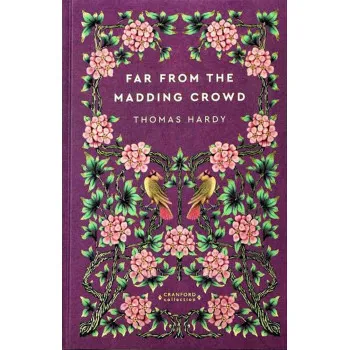
Far from the Madding Crowd
15%
CLASSICS
561,00 RSD
660,00 RSD
Far from the Madding Crowd is perhaps the most pastoral of Hardy's Wessex novels. It tells the story of the young farmer Gabriel Oak and his love for and pursuit of the elusive Bathsheba Everdene, whose wayward nature leads her to both tragedy and true love.
It tells of the dashing Sergeant Troy whose rakish philosophy of life was ‘…the past was yesterday; never, the day after’, and lastly, of the introverted and reclusive gentleman farmer, Mr Boldwood, whose love fills him with ‘…a fearful sense of exposure’, when he first sets eyes on Bathsheba.
The background of this tale is the Wessex countryside in all its moods, contriving to make it one of the most English of great English novels.
Tess of the dUrbervilles
15%
CLASSICS
679,15 RSD
799,00 RSD
Set in Hardy's Wessex, Tess is a moving novel of hypocrisy and double standards. Its challenging sub-title, A Pure Woman, infuriated critics when the book was first published in 1891, and it was condemned as immoral and pessimistic.