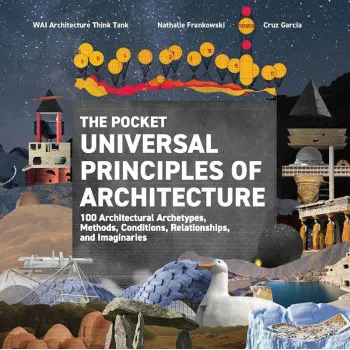
The Pocket Universal Principles of Architecture distills the vast world of design into 100 foundational and visionary concepts that reveal the power, challenges, and transformative role of architecture.
Discover concepts that span the spectrum of architectural possibility, including:
Figurative Archetypes – Timeless forms that shape design.
Parasitic Architecture – Bold structures that adapt and evolve.
Biomimicry – Designs that draw from nature’s genius.
Inclusive Design – Spaces that embrace every body and identity.
AI Cities – Technology-driven urban futures.
Queer Cartographies – Mapping diverse, fluid landscapes.
Intergalactic Architecture – Visionary ideas for cosmic habitats.
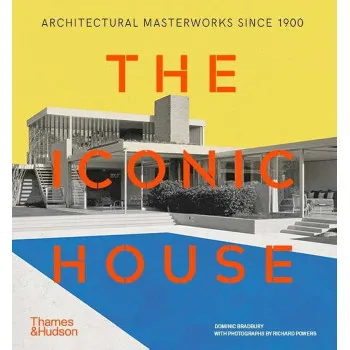
The Iconic House features over 100 of the most important and influential houses designed and built since 1900. International in scope and wide-ranging in style, the houses share a remarkable sensitivity to site and context, an appreciation of local materials and building traditions, and a careful understanding of clients’ needs.
Odabrani artikli na rasprodaji u knjižarama i online od 1.11.2024. ili do isteka zaliha. Članski i količinski popust se ne obračunava.
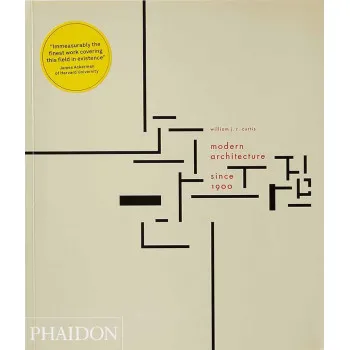
Since its first publication in 1982, Modern Architecture Since 1900 has become established as a contemporary classic. Worldwide in scope, it combines a clear historical outline with masterly analysis and interpretation. Technical, economic, social and intellectual developments are brought together in a comprehensive narrative which provides a setting for the detailed examination of buildings.
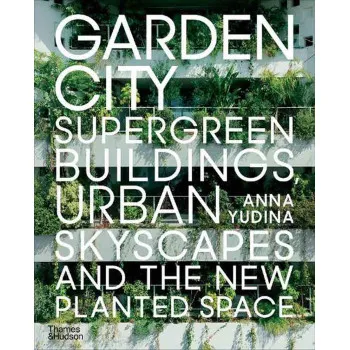
A spectacular global survey of the buildings 'greening' the world's cities, whose conception and realization bring architecture and horticulture into a sustainable whole.
Concrete horizons, urban sprawl, high-density living: never have our cities and their buildings been in greater need of greening. Yet what's required is more than an occasional vertical garden or living roof. Featuring seventy projects from around the world - some built, some ongoing, some from the future - Garden City looks at the increasingly inventive ways in which architects and designers are incorporating nature into the built environment, transforming the city for the benefit of all.
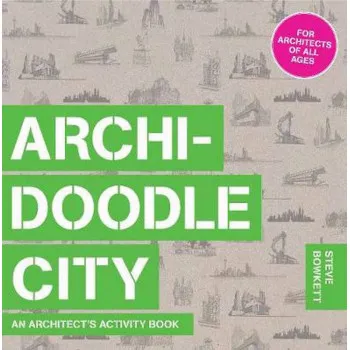
Filled with an array of beautiful and fun drawings, it poses 75 architectural challenges for the user: from building an underground community or designing your own imaginary city to creating a new park for New York, plus many more.
Aimed at anyone who loves drawing buildings and cities, it encourages users to imagine their own creative solutions by sketching, drawing and painting in the pages of the book. In so doing, they will learn about a whole range of significant issues, such as the importance of transport, lighting and green spaces, the history of urban design and planning, and the use of monuments and symbols.
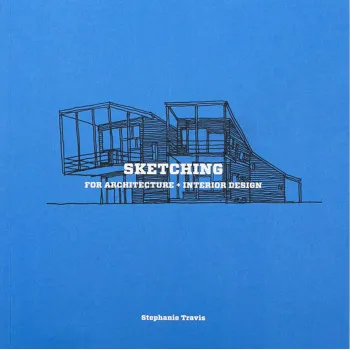
The debate surrounding hand drawing versus computer-generated imagery has become a hot topic. Having grown up with computers, today’s interior design and architecture students are extremely adept at creating computer imagery, but often lack confidence in their freehand sketching skills, or do not know how to sketch at all. Sketching, and the careful observation that it entails, is essential for the successful development of the next generation of designers.
Forty-five step-by-step exercises take the student from the simple three-dimensional forms of furniture, to interiors, to complex building exteriors and cityscapes. Technical topics covered include tools, line weights, perspective, proportion, composition, shading, serial views and context. Exercises are illustrated with beautiful sketches specially created by the author.
Sketching for Architecture + Interior Design is an indispensable and practical guide for students wishing to master the art of looking and sketching.
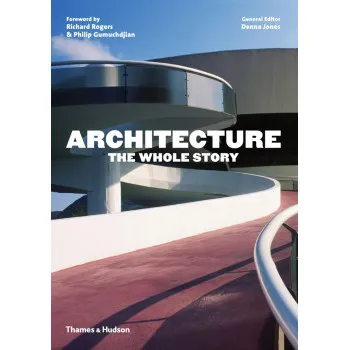
From ancient and classical masterpieces to contemporary, cutting-edge buildings, architecture has defined our world throughout history. Drawing its examples from all around the globe, Architecture: The Whole Story is a richly illustrated and comprehensive account of the architects, plans, designs and constructions that over the centuries have most engaged our minds, inspired our imaginations and raised our spirits. For everyone who has ever wished for greater insight into the art of building design, Architecture: The Whole Story provides the analytical tools to appreciate to the fullest the variety of architectural achievement and the built environment in the world.