






CONCRETE UTOPIA
Filters

2 proizvodi
Obriši sve
%
15%
ARCHITECTURE
4.079,15 RSD
4.799,00 RSD
0,00 RSD
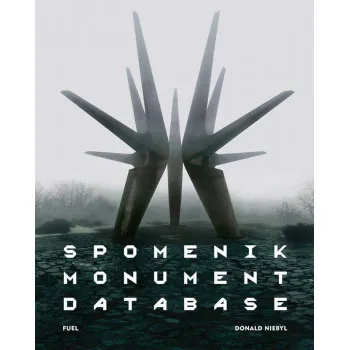
Spomenik’ the Serbo-Croat/Slovenian word for ‘monument’ – refers to a series of memorials built in Tito’s Republic of Yugoslavia from the 1960s-1990s, marking the horror of the occupation and the defeat of Axis forces during World War II. Hundreds were built across the country, from coastal resorts to remote mountains. Through these imaginative forms of concrete and steel, a classless, forward–looking, socialist society, free of ethnic tensions, was envisaged.
Instead of looking to the ideologically aligned Soviet Union for artistic inspiration, Tito turned to the west and works of abstract expressionism and minimalism. As a result, Yugoslavia was able to develop its own distinct identity through these brutal monuments, which were used as political tools to articulate Tito’s personal vision of a new tomorrow. Today, following the breakup of the country and the subsequent Yugoslav Wars of the 1990s, some have been destroyed or abandoned. Many have suffered the consequences of ethnic tensions – once viewed as symbols of hope they are now the focus of resentment and anger.
This book brings together the largest collection of spomeniks published to date. Each has been extensively photographed and researched by the author, to make this book the most comprehensive survey of this obscure and fascinating architectural phenomenon.
Instead of looking to the ideologically aligned Soviet Union for artistic inspiration, Tito turned to the west and works of abstract expressionism and minimalism. As a result, Yugoslavia was able to develop its own distinct identity through these brutal monuments, which were used as political tools to articulate Tito’s personal vision of a new tomorrow. Today, following the breakup of the country and the subsequent Yugoslav Wars of the 1990s, some have been destroyed or abandoned. Many have suffered the consequences of ethnic tensions – once viewed as symbols of hope they are now the focus of resentment and anger.
This book brings together the largest collection of spomeniks published to date. Each has been extensively photographed and researched by the author, to make this book the most comprehensive survey of this obscure and fascinating architectural phenomenon.
%
15%
ARCHITECTURE
7.139,15 RSD
8.399,00 RSD
0,00 RSD
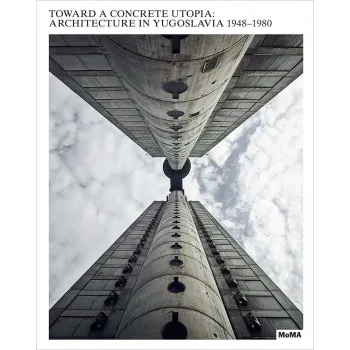
Published in conjunction with a major survey exhibition on the architectural production of Yugoslavia between 1948 and 1980, this is the first scholarly publication to showcase an understudied but important and exceptional body of modernist architecture.
Squeezed between the two rival Cold War blocs, Yugoslav architecture consistently adhered to a modernist trajectory. As a founding nation of the Non-Aligned Movement, Yugoslavia became a major exporter of modernist architecture to Africa and the Middle East in a postcolonial world. By merging a variety of local traditions and contemporary international influences in the context of a unique Yugoslav brand of socialism, often described as the ‘Third Way’, local architects produced a veritable ‘parallel universe’ of modern architecture during the forty-five years of the country’s existence. This remarkable body of work has sparked recurrent international interest, yet a rigorous interpretative study never materialized in the United States until now.
Squeezed between the two rival Cold War blocs, Yugoslav architecture consistently adhered to a modernist trajectory. As a founding nation of the Non-Aligned Movement, Yugoslavia became a major exporter of modernist architecture to Africa and the Middle East in a postcolonial world. By merging a variety of local traditions and contemporary international influences in the context of a unique Yugoslav brand of socialism, often described as the ‘Third Way’, local architects produced a veritable ‘parallel universe’ of modern architecture during the forty-five years of the country’s existence. This remarkable body of work has sparked recurrent international interest, yet a rigorous interpretative study never materialized in the United States until now.